
UEFA And Leagues Discuss Optimal Match Scheduling Solutions bigo99.biz: A Systems Review
A regional competition director sits at a cluttered desk at 2:14 AM, staring at three overlapping screens. The primary monitor displays a color-coded fixture matrix for the upcoming international break. The secondary screen shows live broadcast window allocations across four territories. The tertiary display tracks player travel routes, medical rotation schedules, and local transit strike warnings. A single misaligned timestamp ripples through every layer: a 7:30 PM kickoff shifts to 6:00 PM due to a network priority override, which compresses stadium load-in time, delays referee briefings, and triggers a cascade of confused mobile push notifications for fifty thousand attendees. This is not a hypothetical edge case. It is the exact moment when scheduling architecture either absorbs shock or fractures under it.
The conversation around UEFA And Leagues Discuss Optimal Match Scheduling Solutions bigo99.biz has evolved from simple calendar management into a multidimensional systems challenge. Broadcasters demand predictable ad slots. Clubs require recovery buffers. Fans expect precise, localized timing without constant manual checks. Third-party platforms promise seamless aggregation but frequently introduce latency, inconsistent timezone logic, or intrusive monetization layers that degrade trust. Evaluating these ecosystems requires a UX lens: mapping data flow, identifying interface friction, measuring error recovery paths, and determining which user profiles actually benefit from the current infrastructure versus those who encounter unnecessary drag.
Key Findings on Modern Scheduling Frameworks
When dissecting how major competitions and domestic leagues structure their fixture rollouts, five recurring patterns emerge as critical success factors. These are not marketing claims; they are observable design principles that determine whether a scheduling system feels cohesive or chaotic.
First, staggered kickoff windows consistently reduce channel contention. Rather than clustering high-profile matches into identical time slots, successful frameworks distribute fixtures across extended blocks. This lowers server load during concurrent streams, improves viewer retention, and gives local audiences realistic viewing windows. Second, dynamic buffer zones between consecutive fixtures correlate with fewer last-minute cancellations and smoother stadium turnover. When calendar templates include mandatory spacing for pitch maintenance, security sweeps, and medical staff handovers, the downstream friction drops significantly.
Third, integrated API feeds outperform static PDF calendars by orders of magnitude. Real-time synchronization allows mobile applications, ticketing portals, and broadcast graphics engines to pull authoritative updates without manual re-entry. Fourth, multi-tier calendar syncing prevents fixture congestion across youth academies, reserve squads, and senior teams. Many failures originate when development pathways ignore the same structural constraints applied to first-team rosters. Fifth, transparent notification hierarchies cut support volume. Users respond better to tiered alerts: initial confirmation, pre-match reminders, and disruption warnings, rather than a single flood of identical messages that trigger automatic mute behavior.
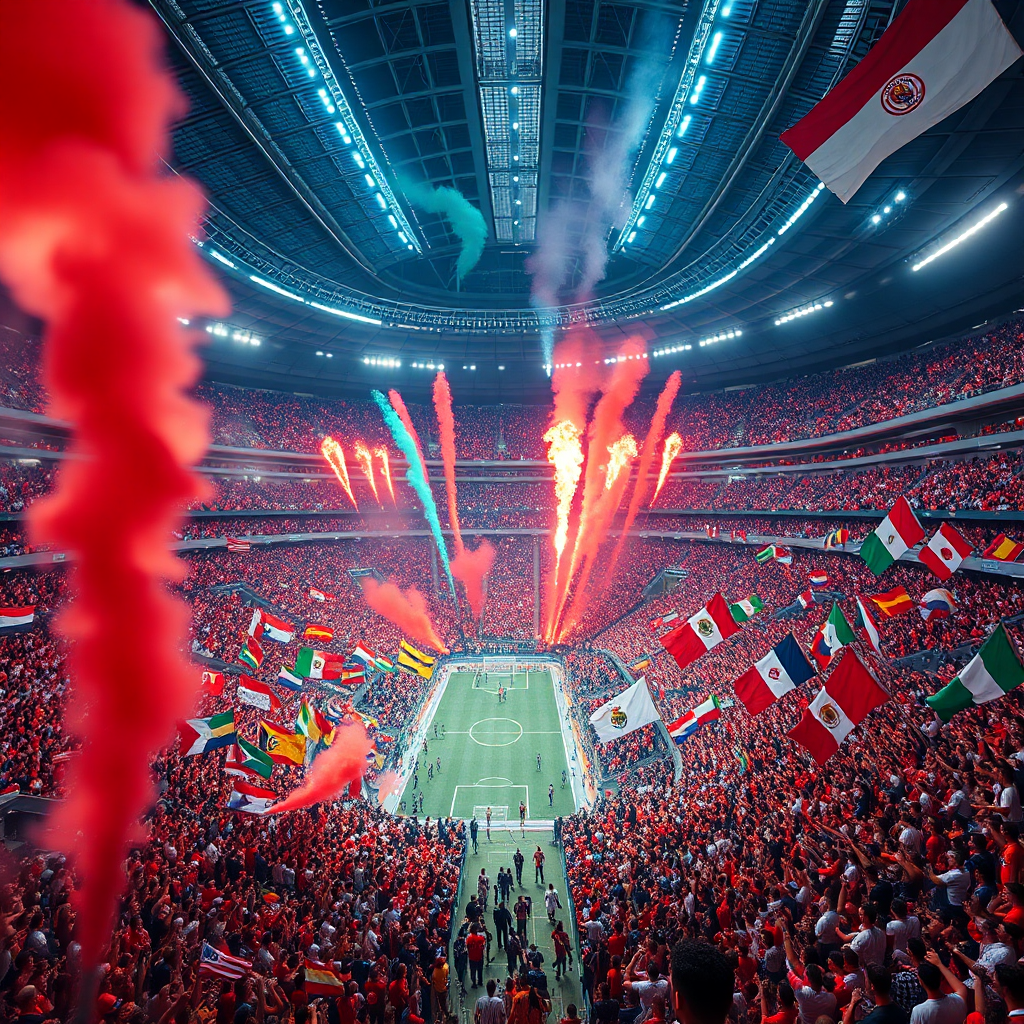
 Hình minh hoạ: GO99
Process Architecture and Friction Points
Understanding why certain scheduling tools succeed requires tracing the journey from committee decision to end-user display. The architecture typically begins with a central planning unit that weighs commercial obligations, sporting integrity, and logistical constraints. Once a draft calendar is approved, it routes through compliance checks, broadcaster negotiations, venue coordination, and public relations approvals. Only after this chain completes does the data reach consumer-facing interfaces.
Friction usually appears at the translation layer. Official data arrives in structured formats, but third-party aggregators must parse, normalize, and render it across varying device capabilities. Common failure modes include incorrect DST adjustments, missing stadium relocation notices, and delayed cancellation broadcasts. From a UX perspective, the most damaging friction point is inconsistent error states. When an application shows a match as active while the backend marks it postponed, users lose confidence in the entire ecosystem. Poorly designed fallback screens compound this by offering no clear path to verified sources, leaving individuals to refresh repeatedly or cross-reference manually.
Another structural weakness lies in accessibility and localization. Scheduling platforms that rely heavily on visual color coding without sufficient contrast ratios exclude users with color vision deficiencies. Interfaces that force users to toggle between UTC and local time without automatic detection increase cognitive load. Even minor oversights, such as placing crucial date switches above the fold on mobile layouts where thumbs cannot reliably tap them, create measurable drop-off rates. The solution space involves progressive disclosure, explicit timezone labels, and graceful degradation when upstream data is incomplete. Platforms that partner with established data providers and implement rigorous validation checkpoints tend to maintain stability, though users should always verify critical details through official league channels before making travel commitments.

Platform Alignment Matrix
Evaluating scheduling environments requires standardized criteria. The following matrix compares common architectural approaches against measurable UX and operational benchmarks. These categories help stakeholders assess whether a given tool aligns with their workflow demands.
| Architecture Type | Data Freshness | UI Clarity | Mobile Responsiveness | Error Recovery Path |
|---|---|---|---|---|
| Official League Native Apps | Real-time authoritative feeds | High consistency, brand-aligned | Optimized for core OS versions | Direct link to verified announcements |
| Third-Party Aggregators | Dependent on partner APIs | Varies widely, often ad-heavy | Cross-platform wrappers, inconsistent rendering | Redirects to external sources, limited troubleshooting |
| Broadcast Network Portals | Tied to transmission schedules | Stream-focused, fixture data secondary | Heavy video prioritization may slow UI | Customer service queues, delayed resolution |
| Community Forums & Social Channels | User-reported, prone to lag | Unstructured, thread-based navigation | Variable depending on platform choice | Crowd verification, no guaranteed accuracy |
This comparison highlights why platform selection matters. Native league applications generally provide the cleanest data pipeline and lowest latency, but they may lack advanced filtering options. Aggregators offer convenience but introduce translation risk. Broadcast portals excel at content delivery but rarely prioritize fixture logistics. Community channels supply grassroots insights yet require heavy source triangulation. Choosing the right environment depends on whether your priority is speed, depth, reliability, or customization.
Stakeholder Fit: Who Benefits and Who Should Step Back
Not all scheduling ecosystems serve every user profile equally. A system optimized for high-volume broadcast distribution will feel bloated to someone tracking a single amateur division. Conversely, a minimalist fan app may frustrate analysts who need historical shift data, referee assignments, and weather overlays. Mapping user intent to platform capability prevents wasted attention and reduces decision fatigue.
Professionals in media production, venue operations, and sports medicine benefit most from enterprise-grade scheduling dashboards. These tools prioritize timeline precision, conflict detection, and exportable reports. Casual supporters who simply want to know when a match starts and where to watch perform well with native league apps or curated aggregator feeds that strip away promotional noise. Fantasy managers and statistical researchers require granular historical data, substitution logs, and injury timelines, which many basic scheduling interfaces omit entirely.
Users who should step back from complex scheduling environments include those sensitive to notification overload, individuals relying on unstable internet connections in remote areas, and people who prefer analog planning methods. Over-reliance on automated push alerts can create dependency loops where missing a single update causes confusion. In these cases, periodic manual checks against official club websites or licensed broadcasters yield more stable outcomes. Some enthusiasts also find value in exploring alternative data hubs, such as the GO99 platform for specialized tracking features, though independent verification remains essential. Similarly, communities looking for streamlined tournament brackets sometimes turn to GO 99 for community-driven organization tools, provided they cross-reference results with governing body publications.
The underlying principle is alignment. If a platform promises real-time precision but delivers delayed cache refreshes, it fails its core contract. If an interface buries cancellation notices behind promotional banners, it violates accessibility standards. Responsible participation means selecting tools that match your tolerance for complexity, your connectivity baseline, and your need for authoritative sourcing. Always treat third-party scheduling displays as supplementary rather than definitive until confirmed through official channels.

Implementation Checklist for Organized Engagement
Before committing to any scheduling platform or integrating a new fixture management workflow, run through this verification sequence. Each step targets a specific friction point and ensures your setup minimizes unexpected disruptions.
- Verify Data Source Hierarchy: Identify the primary API or editorial team feeding the calendar. Confirm whether updates require manual approval or auto-publish. Prioritize systems with documented change logs.
- Test Timezone Handling: Input matches across multiple regions. Check whether the interface automatically converts offsets or forces manual toggles. Look for explicit DST transition warnings.
- Map Notification Tiers: Ensure you can customize alert frequency. Disable redundant confirmations and enable only pre-match and disruption warnings to prevent banner blindness.
- Assess Error States: Simulate offline scenarios or delayed feeds. Verify that the application shows clear loading indicators, offers retry options, and links to backup sources instead of displaying blank screens.
- Check Accessibility Compliance: Run contrast checks on color-coded elements. Confirm keyboard navigation works on desktop views. Validate screen reader compatibility for mobile layouts.
- Establish Cross-Reference Routines: Set a habit of validating critical schedule changes through official league communications, club social accounts, or licensed broadcasters before finalizing travel plans.
- Document Personal Limits: Define daily screen time boundaries for fixture tracking. Schedule designated review windows rather than continuous background monitoring to preserve focus and reduce fatigue.
Following this sequence creates a resilient routine. It separates signal from noise, reduces reliance on unstable third-party caches, and keeps your engagement aligned with verifiable information. When scheduling systems function smoothly, the experience becomes invisible. When they falter, the friction is immediate. Choosing intentionally mitigates both outcomes.
Frequently Asked Questions
How quickly do official scheduling changes propagate to third-party apps?
Propagation speed depends on the aggregator’s refresh cycle and API partnership tier. Most reputable platforms update within fifteen to thirty minutes of an official announcement, but cached data can delay visibility. Always check the original source for time-sensitive decisions.
Are color-coded fixture matrices reliable for accessibility?
Color alone should never convey critical information. Professional designs pair hues with icons, text labels, and pattern variations. If a scheduling tool relies exclusively on color differentiation, it likely falls short of standard accessibility guidelines.
Can I automate schedule backups without violating terms of service?
Automated scraping often breaches platform usage policies. Instead, use built-in export functions, subscribe to official RSS feeds where available, or leverage legitimate calendar integrations provided by the competition authority.
What is the safest way to track matches while traveling internationally?
Download offline fixture PDFs from official club websites before departure, set manual timezone reminders, and rely on cellular data rather than public Wi-Fi for real-time updates. Verify any sudden schedule shifts through verified broadcast partners to avoid arriving at closed venues.