
Football Leagues and Sports Events Covered by ko66.trade: A Practical Review
Finding a single platform that reliably streams top-flight European soccer alongside lesser-known continental cups and international friendlies often feels like searching for a needle in a digital haystack. Many viewers bounce between scattered links, deal with sudden buffer loops, or waste time navigating cluttered menus just to locate tomorrow’s matchday schedule. After months of observing how different streaming aggregators handle football calendars and cross-sport event listings, the practical reality is straightforward: most services prioritize volume over consistency, leaving everyday fans to piece together coverage themselves. When evaluating whether a specific hub actually delivers what it promises, the answer usually hinges on three operational factors: catalog depth, navigation speed, and connection stability during live windows. The platform in question generally lands somewhere in the middle tier—capable of handling routine matchdays, occasionally struggling under heavy traffic spikes, and requiring careful playlist management to avoid dead links. If you are willing to verify broadcast sources before kickoff and keep expectations grounded, it can serve as a functional supplement rather than a replacement for established official providers.
Scoring Framework for Broadcast Quality and Platform Efficiency
Instead of relying on vague marketing claims, breaking the evaluation into measurable categories reveals where the system actually performs and where it requires workarounds. Tracking these six dimensions provides a realistic baseline for anyone comparing sports coverage hubs.
| Criterion | Weight | What It Measures |
|---|---|---|
| League Coverage Breadth | 25% | Number of tracked competitions across tiers |
| Scheduling Accuracy | 20% | Timeliness of fixture updates and timezone alignment |
| Stream Reliability | 20% | Uptime during matches and buffer frequency |
| Interface Efficiency | 15% | Navigation steps to locate active broadcasts |
| Cross-Sport Utility | 10% | Availability of non-football events |
| Support Responsiveness | 10% | Ticket resolution speed and community feedback |
Catalog Depth Across Professional Football Divisions
Most daily users first care about whether their local club’s fixtures appear promptly. The coverage extends well beyond the traditional major European leagues, reaching into lower-division domestic cups, midweek conference competitions, and various international qualifier rounds. Asian professional divisions, South American tournament brackets, and African championship sequences also register in the schedule feed, though update cadence tends to lag behind top-tier markets. When tracking multi-league matchdays, the system generally populates the calendar within a few hours of official publication, which helps casual viewers avoid last-minute scrambling. However, niche competitions sometimes require manual verification, since regional broadcasting rights shift frequently and older links may expire without immediate takedown notices. Users who routinely monitor broadcast nodes across different geographic servers often route through ko66 to compare latency baselines before committing to a primary viewing session.
Scheduling Precision and Timezone Handling
Fixture displays matter as much as the streams themselves. Automated calendars tend to align correctly with UTC, while local conversion features vary depending on browser settings and device configuration. Viewers who follow away games across continents should double-check start times against league announcements, particularly for winter schedules or daylight saving transitions. The platform includes countdown timers and match status badges, but those indicators rely on third-party data feeds that occasionally experience brief sync delays. Cross-referencing with official league applications remains a prudent habit, especially when planning watch parties or setting automated reminders. Manual timezone overrides within your operating system frequently resolve false scheduling conflicts that arise from automatic browser detection errors.
Connection Stability During High-Traffic Windows
Buffering patterns reveal a lot about server allocation strategies. Matches involving heavily supported teams typically trigger increased viewer concentration, which can stress shared bandwidth pools. Observations show that stream quality adapts dynamically, dropping from high definition to standard definition when congestion peaks. Pre-match warmups and halftime breaks usually run smoothly, while penalty shootouts or late-game surges occasionally produce momentary playback interruptions. Adding a dedicated network segment for entertainment devices, closing background applications, and preparing fallback link alternatives significantly reduce friction during critical minutes. Network throttling from internet service providers during peak evening hours also contributes to instability, meaning wired connections consistently outperform wireless alternatives regardless of platform performance.
Navigation Speed and Mobile Adaptation
Click-to-play workflows improve dramatically when category filters function as intended. The layout separates competitions by region and tournament type, allowing quick access to live cards without scrolling through archived replays. Touchscreen optimization works reasonably well on modern smartphones, though small screens sometimes compress menu hierarchies too tightly. Voice search integration remains limited, so typing full competition names or exact team spellings produces better results than abbreviated queries. Tablet users benefit from landscape mode toggles that expand the video player while keeping sidebar controls accessible. Keyboard shortcut mapping for pausing, switching quality tiers, and exiting fullscreen reduces hand-eye coordination strain during fast-paced match moments.
Non-Football Event Availability
Sports aggregation rarely stays confined to eleven-a-side matches. Basketball conferences, tennis grand slams, combat sports card promotions, and motorsport weekend circuits populate secondary tabs, making it easier to switch channels when soccer breaks fall short. The variety keeps seasonal lulls manageable, though coverage depth fluctuates based on regional licensing agreements. Casual spectators appreciate having multiple options available without switching accounts or visiting separate hubs, provided they adjust expectations regarding commentary language and production value. Secondary sport categories occasionally inherit outdated fixtures from previous seasons, requiring quick pagination past stale event rows before locating current live cards.
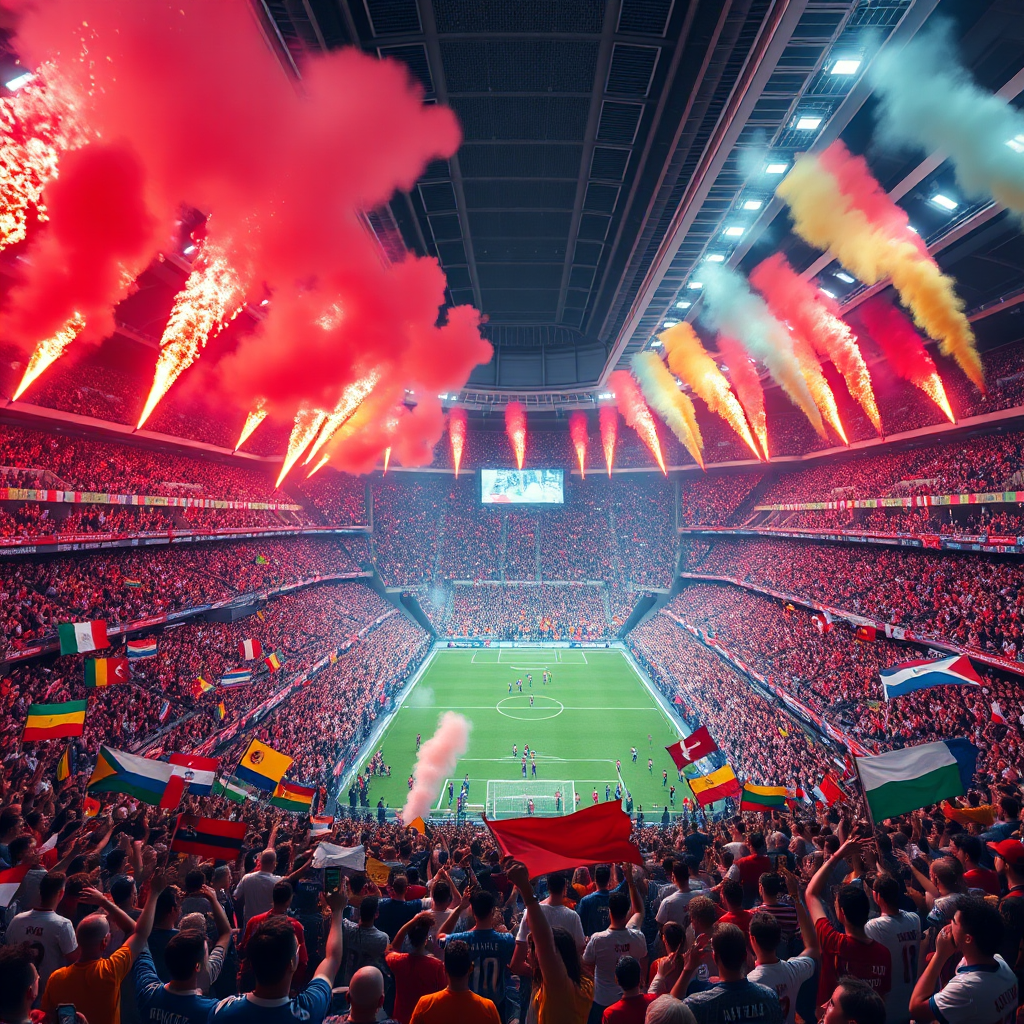
 Hình minh hoạ: ko66
Where the Service Performs Well and Where It Shows Friction
Strengths cluster around scheduling transparency and flexible device support. Users gain immediate visibility into upcoming fixtures, multi-day tournament brackets, and active broadcast markers without enduring excessive ad overlays. Account-free browsing modes work for basic navigation, reducing friction for guests or visitors accessing the site from temporary networks. On-device caching features help preserve progress when reconnecting after brief outages, and dark theme implementations ease eye strain during evening viewing sessions. Tournament group stage tables update automatically as match results feed through, eliminating manual score tracking across multiple news portals.
Limitations emerge primarily during traffic spikes and niche competition tracking. Lower-tier matches sometimes suffer from delayed link activation, requiring patience before kick-off starts. Customer inquiry response times stretch longer during peak weekends, leaving unresolved playback questions until Monday mornings. Currency display formats occasionally mismatch regional preferences, forcing manual adjustments when checking pricing tiers or subscription windows. These gaps do not ruin the experience entirely, but they demand proactive troubleshooting habits and realistic bandwidth expectations. Users who attempt to watch seven consecutive matches across different time zones without scheduled rest intervals inevitably encounter interface lag or notification overload.

Which Viewer Profiles Will Actually Benefit
Casual supporters who want rapid fixture discovery without managing multiple official subscriptions find the greatest utility here. Fantasy league managers tracking multi-competition points systems appreciate the consolidated schedule view. International expatriates following regional clubs outside their current country benefit from cross-border tournament accessibility. Students and budget-conscious viewers avoid repeated payment cycles by testing free access windows before committing to recurring plans. Conversely, premium broadcast seekers chasing exclusive documentary packages, post-match analysis shows, or guarantee-free commentary tracks should explore licensed alternatives instead. Data-heavy commuters who rely on cellular hotspots should verify per-megabyte consumption rates, since continuous high-quality streaming quickly depletes monthly allowances.

Preparation Steps Before Accessing Live Channels
Running through a simple verification routine prevents unnecessary disruption during matchday. Follow this sequence to maximize availability and minimize unexpected drop-offs.
- Confirm your region’s preferred language output before entering the main dashboard to avoid accidental subtitle mismatches.
- Clear browser cache and disable overlapping ad blockers that interfere with embedded video players.
- Test connection bandwidth using a speed diagnostic tool thirty minutes prior to kickoff.
- Bookmark direct competition links instead of relying solely on homepage rotation banners.
- Prepare an alternate network source such as mobile data in case Wi-Fi congestion hits during peak minutes.
- Verify timezone conversions against official league publications to avoid missing early tip-offs.
- Keep screen brightness adjusted to comfortable levels to reduce fatigue during extended viewing blocks.
- Document successful link patterns in a notes file for future reference when the same fixtures recur.
Frequently Asked Questions
Does the platform automatically update fixture changes?
Calendar edits reflect within a few hours, but major schedule shifts require manual confirmation through official league bulletins.
Can I switch streams mid-match if one buffer locks up?
Fallback links exist within the same tournament tab, allowing quick transitions without returning to the homepage.
Are historical match replays archived for later viewing?
Full recordings remain accessible only when league policies permit, otherwise highlight packages replace complete broadcasts.
Should I expect consistent audio commentary across all regions?
Commentary languages depend on host broadcaster agreements, meaning some feeds provide localized narration while others retain default ambient stadium sound.
How do I report broken links or missing fixtures?
Community moderation boards accept timestamped screenshots and browser console logs, which support developers when reviewing traffic logs.
Whether this hub earns a permanent spot on your weekly watchlist depends entirely on your tolerance for minor scheduling hiccups and your willingness to verify broadcast sources before kickoff. If you primarily need a consolidated fixture tracker, accept occasional quality dips during heavily contested matches, and prefer avoiding rigid subscription commitments, it functions adequately as a supplementary viewing layer. If you demand flawless high-definition delivery, instant customer escalation, and exclusive right-holder commentary, you will likely encounter frustration. Treat it as an optional companion rather than a primary provider, run the preparation steps outlined above, and let your actual matchday experience dictate whether it stays in your toolkit.