Analyzing Anthony Gordon’s Warning on Tournament Fatigue: A Balanced Review
Picture minute eighty-two of a knockout stage match. The stadium noise has been deafening for hours, the turf is wearing thin, and the air carries a familiar heaviness. Legs feel like lead. Decision-making slows by half a second. Passes that would have been crisp under fresh conditions now require extra pressure and timing adjustments. This is not a dramatic flourish for broadcast drama; it is the physiological baseline when athletes compete across compressed schedules, varying climates, and relentless tactical demands. When Anthony Gordon warns of extreme player fatigue in major tournaments, he is naming a measurable reality that shapes outcomes behind the highlights reel.
What Readers Are Actually Looking For When Checking This Warning
Spectators, analysts, and sports professionals frequently search for context around statements like this because they want to separate routine grumbling from systemic strain. The underlying question is rarely about a single athlete’s comfort level. Instead, readers want to know whether modern tournament structures genuinely push human endurance beyond sustainable thresholds, how organizations respond, and what evidence supports these claims. Many also seek practical takeaways: can teams mitigate the decline, should fans adjust their expectations, and where do we draw the line between elite resilience and preventable overload?
A careful review of the situation shows that fatigue in major competitions operates on three overlapping tracks. Physical degradation involves muscle glycogen depletion, microtrauma accumulation, and altered neuromuscular coordination. Cognitive strain emerges from constant tactical adjustments, sleep disruption from travel, and heightened psychological pressure. Tactical execution suffers when reaction times blur and spatial awareness narrows. Recognizing these layers prevents oversimplified narratives that blame individual players for drops in performance.
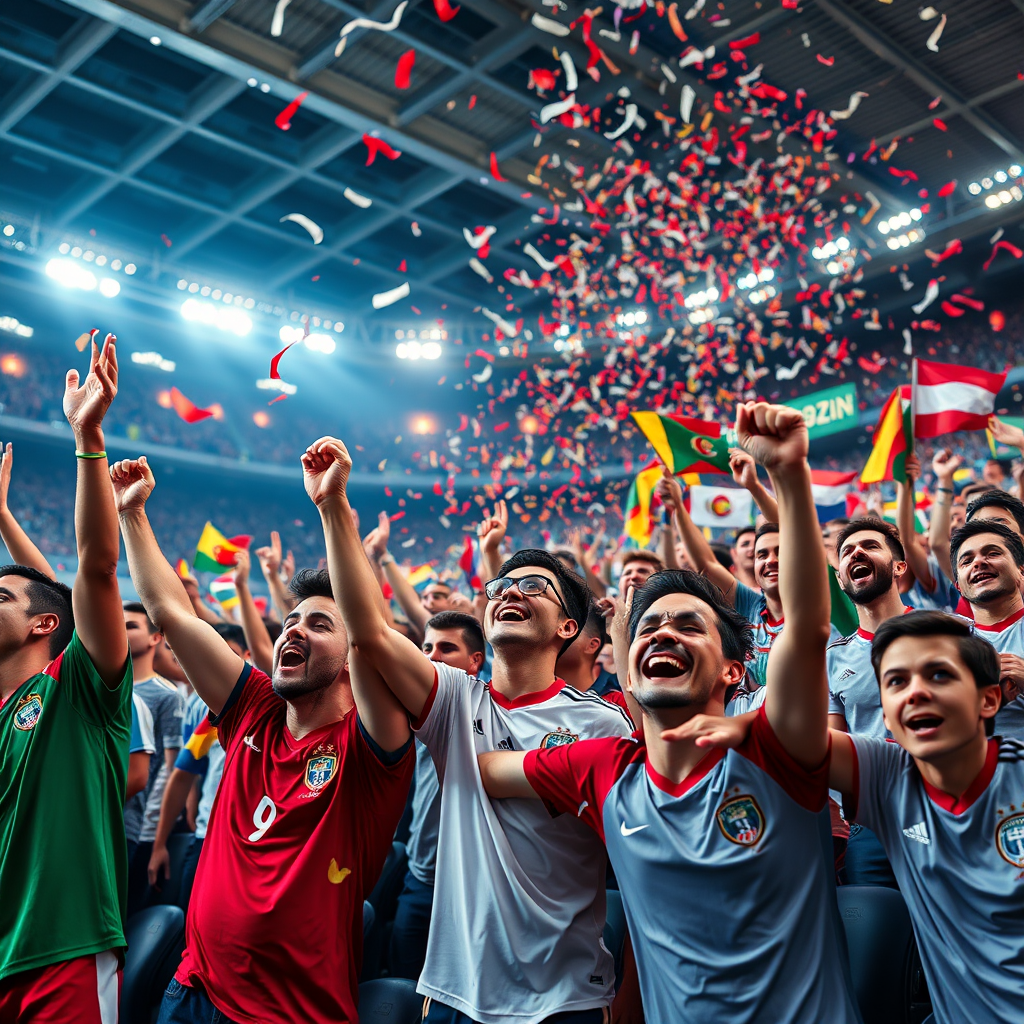
 Hình minh hoạ: https://v79e.com/
The Mechanics Behind Tournament Exhaustion
Modern international and club tournaments compress fixtures into windows that leave minimal recovery margin. Back-to-back matches, frequent transcontinental travel, and shifting timezone requirements disrupt circadian rhythms and complicate nutritional planning. Even with optimized hydration and carbohydrate loading, the body cannot fully repair tissue damage within forty-eight hours when demand spikes again before previous adaptations stabilize.
The warning gains traction because it aligns with established sports science research. Cumulative workload correlates with increased soft-tissue injuries, reduced sprint frequency, and lower pass completion accuracy in later stages of competitions. Coaches routinely monitor session ratings of perceived exertion, heart rate variability, and sleep quality to gauge readiness. When those metrics trend downward across a squad, rotation becomes less about resting star performers and more about preserving functional capacity.
Not every environment reacts the same way. Facilities with dedicated recovery suites, cryotherapy units, physiotherapy teams, and nutritionists operating on synchronized schedules tend to blunt the sharpest edges of fatigue. Conversely, programs reliant on outdated recovery models or constrained budgets often see performance curves flatten earlier. The difference lies in infrastructure, not innate talent.

How Teams Navigate the Fatigue Cycle
Managing workload across a tournament requires deliberate pacing rather than reactive scrambling. The most effective approaches follow a structured progression that prioritizes sustainability over short-term heroics.
- Pre-competition preparation: Teams establish baseline fitness markers two to four weeks before arrival. Training loads taper strategically to preserve fast-twitch fiber integrity while maintaining tactical sharpness.
- In-tournament rotation: Managers distribute minutes across the squad based on position-specific demands. Goalkeepers and center-backs typically face different stress profiles than wingers and attacking midfielders, requiring customized rest windows.
- Post-match recovery protocols: Active cooldowns, compression therapy, targeted mobility work, and controlled nutrient intake begin within ninety minutes of the final whistle. Sleep hygiene practices gain equal priority during this window.
- Crossover adaptation: Between matches, light technical sessions replace heavy physical loads. Video analysis continues, but cognitive engagement shifts toward pattern recognition rather than exhaustive scouting.
These steps only function when leadership accepts that preserving availability matters as much as chasing immediate results. Organizations that treat recovery as secondary inevitably encounter steeper performance cliffs.
| Stakeholder Group | Why It Fits | Why It Does Not Fit |
|---|---|---|
| Professional squads with sports science departments | Access to biometric tracking, dedicated recovery staff, and structured rotation models that actively manage cumulative load. | None. These groups are built to absorb tournament strain through systematic intervention. |
| Amateur and grassroots programs | Benefit from simplified load guidelines and reminder to prioritize recovery over competitive volume. | Lack access to advanced monitoring tools, making precise fatigue management speculative rather than guaranteed. |
| Fantasy league participants and casual observers | Can adjust expectations by tracking rotation news, weather impacts, and historical performance dips in congested periods. | Cannot influence training cycles or medical decisions, so reliance on external variables remains unavoidable. |

Spotting Red Flags and Validating Load Reports
Fatigue warnings become difficult to assess when organizations obscure their internal metrics. Transparency varies widely across leagues and national associations. Some publish detailed GPS data, sleep logs, and injury prevention dashboards. Others release generic press statements that emphasize mental toughness while avoiding concrete numbers. Evaluating the credibility of these reports requires a checklist approach rather than accepting surface-level assurances.
- Biometric consistency: Look for repeated measurements of heart rate variability, resting heart rate, and muscle oxygen saturation. Single snapshots hold limited diagnostic value.
- Rotation patterns: Sustainable programs shift players gradually. Sudden spikes in usage without preceding tapering indicate compromised load management.
- Independent medical reviews: Third-party assessments reduce institutional bias. Clubs and federations that welcome external scrutiny generally present stronger cases for protocol effectiveness.
- Performance correlation: Track measurable outputs like sprint distance, pressing intensity, and error rates across consecutive matches. Declines that align with reported workload increases validate fatigue claims.
When verifying these factors, remember that correlation does not equal causation. External variables such as pitch condition, opponent pressing height, and referee tolerance also influence statistical drops. Cross-referencing multiple data streams prevents premature conclusions. For deeper technical breakdowns and updated tracking methodologies, you can find more details at https://v79e.com/. The platform provides structured comparisons of load-monitoring standards across different competition formats.
Risks emerge when programs prioritize visibility over verifiability. Inflated recovery claims, delayed injury disclosures, and rigid manager preferences create blind spots that amplify long-term wear. Athletes benefit from clear communication channels where concerns receive documented responses rather than public reassurance campaigns. Responsible participation in high-intensity environments means acknowledging limits, adjusting expectations, and supporting systems that protect availability over short-term spectacle.

Common Questions About Player Workloads and Recovery
Does tournament fatigue affect younger players more than veterans?
Developmental cohorts often experience sharper metabolic drains because their bodies are still adapting to elite physical demands. Veterans may rely on refined movement efficiency and tactical positioning to conserve energy, but both groups face cumulative strain that requires individualized management.
Are cold-water immersion and compression garments proven solutions?
Research shows mixed outcomes. Cold exposure can reduce subjective soreness and accelerate perceived recovery, while compression garments improve venous return and may lessen swelling. Neither replaces structured protein intake, sleep optimization, or strategic load reduction. They function as supplementary tools rather than standalone fixes.
Should fans expect consistent performance throughout long competitions?
No. Compressed schedules inherently introduce performance variance. Teams that rotate effectively maintain baseline competitiveness, while others accept calculated dips to preserve peak availability for decisive fixtures. Adjusting viewing expectations aligns better with physiological realities than demanding uniform output.
How can amateur athletes apply these insights without professional resources?
Focus on fundamentals: schedule deliberate rest days, prioritize sleep duration and consistency, maintain steady hydration, and avoid stacking high-intensity sessions back-to-back. Track perceived effort using a simple scale, and reduce volume when recovery markers stagnate. Professional-grade monitoring offers precision, but basic discipline yields proportional protection against overuse.
Which Approach Matches Your Situation
Reading through load-management frameworks and fatigue documentation only proves useful when paired with actionable alignment. Different audiences require distinct strategies that respect their available resources and objectives.
Coaching staff and technical directors should treat recovery as a non-negotiable component of matchday preparation. Build rotation matrices that account for positional stress, integrate biometric checkpoints into weekly planning, and authorize medical personnel to override scheduling conflicts when metrics fall outside safe ranges. Documenting these decisions creates accountability and reduces guesswork during critical windows.
Players and athletic trainers need to normalize recovery discussions. Log daily readiness scores, communicate discomfort before it escalates into structural issues, and follow periodized plans that alternate high-intensity work with active restoration. Pushing through managed pain accelerates burnout and compromises long-term career longevity. Sustainable performance depends on disciplined maintenance, not occasional heroic efforts.
Fantasy league managers and sports analysts can refine projections by tracking official rotation announcements, weather forecasts, and historical fatigue indicators. Avoid overreacting to single-match declines. Look for trends across three-game blocks, factor in travel distance, and adjust point expectations when workload density increases. Patience during congested periods separates consistent evaluation from reactive speculation.
General spectators and community supporters contribute to healthier ecosystems by recognizing that visible struggles often mask invisible calculations. Celebrating tactical adjustments, applauding bench contributions, and understanding that strategic rests protect future performance strengthens fan culture without demanding unsustainable output. Supporting organizations that invest in sports science ensures longer competitive runs and higher-quality competition across seasons.
The warning surrounding extreme fatigue in major tournaments does not signal collapse; it signals complexity. Elite competition operates at the edge of human capability, and managing that edge requires transparent processes, realistic expectations, and structured intervention. Those equipped with proper resources will navigate congestion efficiently. Those relying on makeshift systems will face steeper recovery curves. Aligning your approach with available tools and verified metrics produces steadier progress than chasing short-term intensity. The most reliable path forward combines measured preparation, honest self-assessment, and consistent application of proven recovery principles. You may also want to look into V 79 for more context.